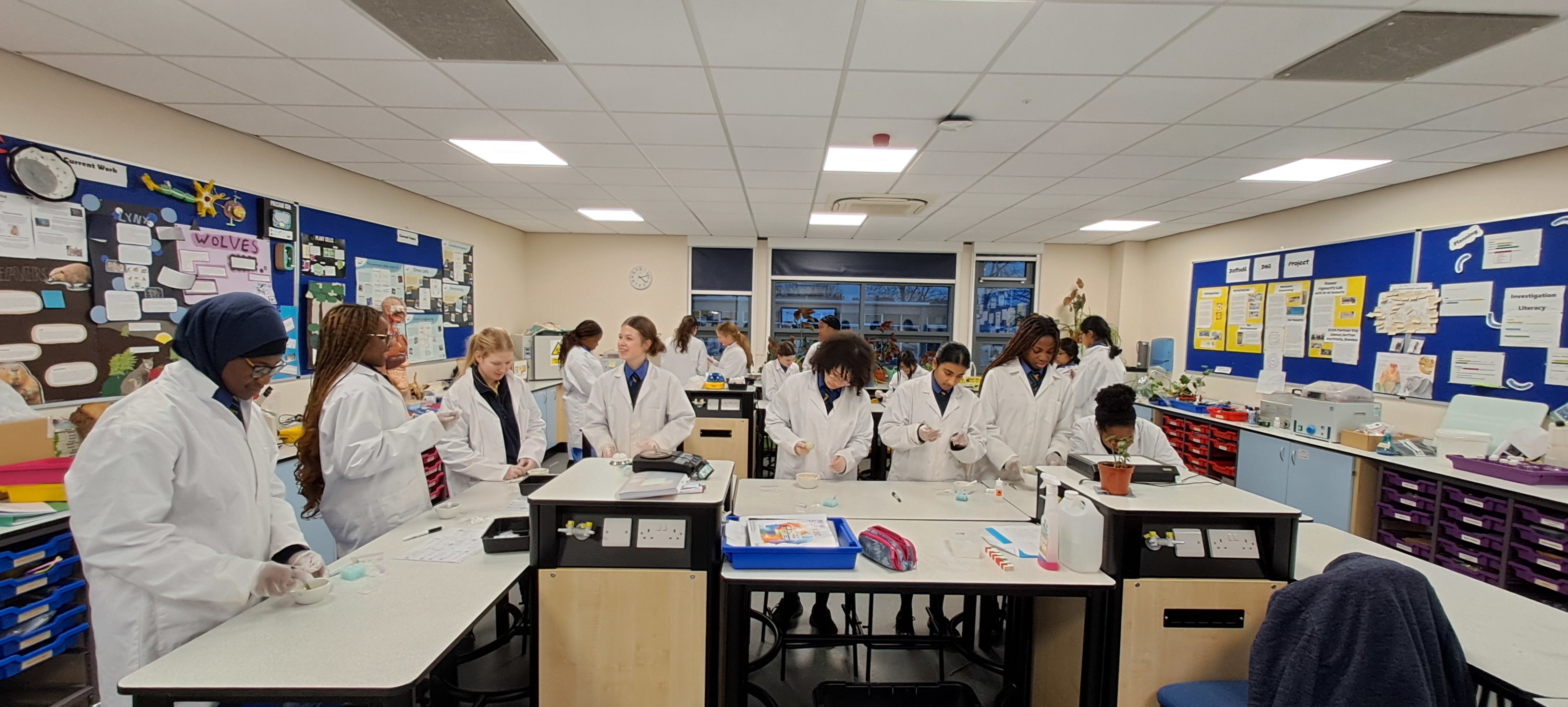
To mark the International Day of Women and Girls in Science (11th February), St Margaret’s School for Girls is celebrating a new scientific initiative that places students at the forefront of real-world molecular biology research. Reflecting this year’s theme, From Vision to Impact: Redefining STEM by Closing the Gender Gap, the iTAG Barley Project gives girls hands-on experience of advanced laboratory techniques and real scientific research, helping turn ambition into action.
This comes at a time when girls’ participation in STEM subjects remains a national priority. August 2025 results in Scotland overall showed that Maths topped the charts with 4,460 Advanced Higher entries, followed by Biology at 3,125. Across STEM subjects, female representation currently sits at 47%, with particularly strong participation in Biology (69%) and Chemistry (60%) - highlighting both progress made and the importance of initiatives that continue to support and inspire young women in science.
Building on the success of the Daffodil DNA Project - which saw data collected by the students contribute to global scientific research - St Margaret’s Biology Department has launched the iTAG Barley Project, a ten-week research programme running throughout the spring term.
Students have been exploring how differences in DNA affect the appearance of plants by studying four varieties of Oregon Wolfe Barley. The barley seeds were generously supplied by Dr Malcolm Macaulay from the James Hutton Institute’s International Barley Hub and were carefully planted by senior biology classes in December.
In the coming weeks, students will compare genetic patterns with the visible characteristics of each barley plant using laboratory techniques such as DNA extraction and analysis. The seedlings have already been harvested, with leaf samples frozen and ready for DNA extraction. By linking classroom learning with hands-on research and real scientific partnerships, the project encourages girls to see themselves as future scientists and researchers.
Abby Miller, Head of Biology at St Margaret’s School for Girls, said:
“These are techniques students learn about in theory, but rarely have the chance to practise due to the cost and complexity of the equipment. This project allows them to gain confidence in fundamental molecular biology skills while working with real data and real scientific questions.”
Head of St Margaret’s, Anna Tomlinson, said:
“This project has shown just how much school learning can connect to the real world. By using the same methods as professional scientists, our students have gained a real taste of what scientific research is like and why it matters beyond the classroom. Experiences like this inspire confidence, ambition, and serious thought about future careers in science. I’m especially proud to see our girls leading complex experiments and making a real contribution to research that counts.”
The International Day of Women and Girls in Science, established by the United Nations, celebrates the contributions of women and girls to STEM and promotes equal access to scientific education and careers worldwide.